Sclerotherapy at Charlotte Skin & Laser
Step Into Radiance With Spider Vein Treatment
Sclerotherapy is a procedure used to treat spider veins by injecting a solution into the veins which causes them to gradually disappear. By injecting a solution, known as a sclerosing solution, the lining of the veins becomes irritated and eventually turns into scar tissue that will then fade away. This method is the preferred treatment for spider veins and has been used since the 1930s.
Quick Links
Am I a Candidate for Sclerotherapy?
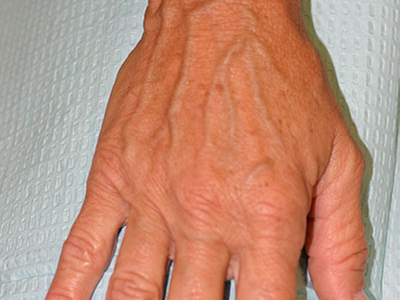
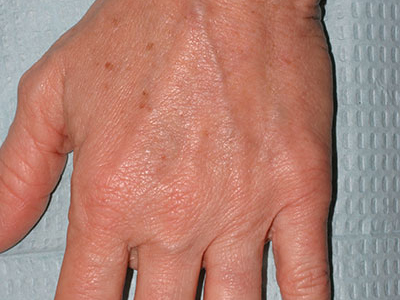
You may be a good candidate for sclerotherapy if you are bothered by visible spider veins on your hands, legs, ankles, or thighs and are in generally good health.
Ideal patients do not smoke, are not pregnant or breastfeeding, and are able to walk regularly and wear compression stockings after treatment. Sclerotherapy is best suited for small, superficial leg veins rather than large, bulging varicose veins, which may require alternative vein treatments for safe, effective results.
During your consultation at Charlotte Skin & Laser, your provider will carefully examine the areas of concern, review your medical history and medications, and recommend a customized plan to help you achieve smoother, clearer-looking skin.
What Is Sclerotherapy?
Sclerotherapy is the most common procedure for the treatment of varicose veins and superficial telangiectasias (“spider veins”). It involves the injection of a sclerosing agent such as Sotradecol into the veins.
Sclerotherapy sessions are 15 or 30 minutes. Most patients need a minimum of 2 to 4 treatments in order to achieve desired results. There is no downtime other than avoiding strenuous activities for the first week. We encourage you to wear compression hosiery for 1-2 weeks after your sclerotherapy session for the best results.
Does sclerotherapy work for everyone?
The majority of patients who have sclerotherapy will see good improvement. Unfortunately, there is no guarantee that it will be effective in every case. The expectation of treatment should be about 75% reduction in veins. It typically takes 2 to 6 treatments to achieve 75% clearance. It is estimated that about 10 to 20% of veins do not disappear after 6 treatments.
How many treatments will be needed?
More than one treatment is needed. The number of treatments needed varies from patient to patient and depends on the extent and severity of veins present. Six or more treatments may be needed; the average is 2 to 4 treatment sessions. Smaller veins require more treatment as they are under higher pressure.
Which veins can be treated?
The small spider veins and most non-bulging and bulging “blue” veins can be treated with injections. Some types of leg veins, such as very small veins or veins limited to a small area, may be more appropriately treated with lasers. The very large bulging veins may require a surgical procedure to improve their appearance.
What is the solution injected? Is it safe?
At Charlotte Skin and Laser, the solutions we use are Sotradecol or Asclera (Polidocanol) and glycerin. Sotradecol and polidocanol are foamed with air – a technique called foam sclerotherapy. Different concentrations are used based on vessel size. Glycerin is used for the very smallest veins.
The solution is injected into the veins with one of the smallest needles available. As the solution enters the vein it temporarily displaces the blood and causes a gentle irritation to the inner lining of the vein – the contact time with the vein wall is enhanced by the foam technique thus yielding better results. The blood returns into the injected area and becomes trapped in the injected veins. The body then gradually absorbs the trapped blood and the veins themselves.
Will the veins disappear immediately?
No. This is the most important fact in understanding your treatment. The healing process begins as soon as the solution is injected. However, in the beginning the healing process is microscopic and not visible to the naked eye. Some veins may require at least two treatments or possibly more before seeing the desired results.
Many veins, especially the larger ones, will darken after treatment and look more prominent before they gradually fade over the next 3 to 12 weeks. The length of time for fading varies greatly between patients and can also be dependent on the size of veins. This whole process may take 8 to 16 weeks.

Schedule A Consultation
Integrating The Art of Medicine with the Science of Beauty
At Charlotte Skin & Laser, we offer personalized skincare with a boutique touch—combining medical expertise and aesthetic artistry to deliver natural, results-driven care. From skin checks to rejuvenation, our expert team is here to guide you.
What Is Recovery Like After Sclerotherapy?
Most patients find that sclerotherapy recovery is quick and easily managed with simple at-home care.
You can walk immediately after your spider vein treatment, and light activity is encouraged to support healthy circulation, but you should avoid high-impact exercise, heavy lifting, and hot tubs for about a week as your veins heal.
Mild bruising, itching, or tenderness around the injection sites is common and typically improves over several days to a couple of weeks.
Wearing your compression stockings as directed, keeping legs elevated when relaxing, and protecting treated areas from sun exposure will help optimize healing and enhance your cosmetic results.
Results: When Will I See Clearer Legs?
Many patients begin to notice their spider veins fading within a few weeks of treatment, with continued improvement over the following months as the body gradually absorbs the treated vessels.
Because sclerotherapy works with your body’s natural healing processes, full results can take several weeks to become visible and multiple sessions are often recommended for more extensive vein networks.
Once a spider vein is successfully treated, it should not return; however, new veins can develop over time due to genetics, hormonal changes, lifestyle, or prolonged standing. Maintaining a healthy weight, staying active, and wearing compression stockings when recommended can help support long-lasting results and prolong the benefits of your sclerotherapy treatments.
How Can I Prepare for My Sclerotherapy Appointment?
Before your spider vein treatment, you will receive personalized instructions tailored to your health history and treatment plan.
In general, patients are advised to avoid certain medications or supplements that increase bleeding risk, such as aspirin or high-dose fish oil, unless otherwise directed by their prescribing physician. On the day of your visit, wear loose, comfortable clothing and bring or wear your compression stockings so they can be applied immediately after your injections.
Avoid applying lotion, self-tanner, or oil to your legs before treatment, and be prepared to discuss any recent travel, new medical conditions, or changes in medications with your provider.
What Should I Expect During My Visit?
Your sclerotherapy appointment begins with a brief review of your medical history, current concerns, and treatment goals, followed by a focused examination of your leg veins. Your provider will cleanse the treatment area, then use a very fine needle to inject the sclerosing solution into the targeted spider veins, which most patients describe as a mild sting or pinch that fades quickly.
You may notice temporary redness, slight swelling, or raised areas along the treated veins immediately after the injections. These changes are normal and indicate that the solution is working inside the vein. Once your session is complete, compression stockings or bandages will be applied, aftercare instructions will be reviewed, and you will be able to drive yourself home and return to routine daily activities.
While sclerotherapy is proven as an effective treatment for spider veins, it is not recommended for everybody. Pregnant women and those whose deeper veins are affected are not typically eligible for this procedure. Sclerotherapy is not effective for large varicose veins and is only recommended for smaller, superficial veins. Dr. Rostan and her staff can help choose the right treatment for your leg veins.